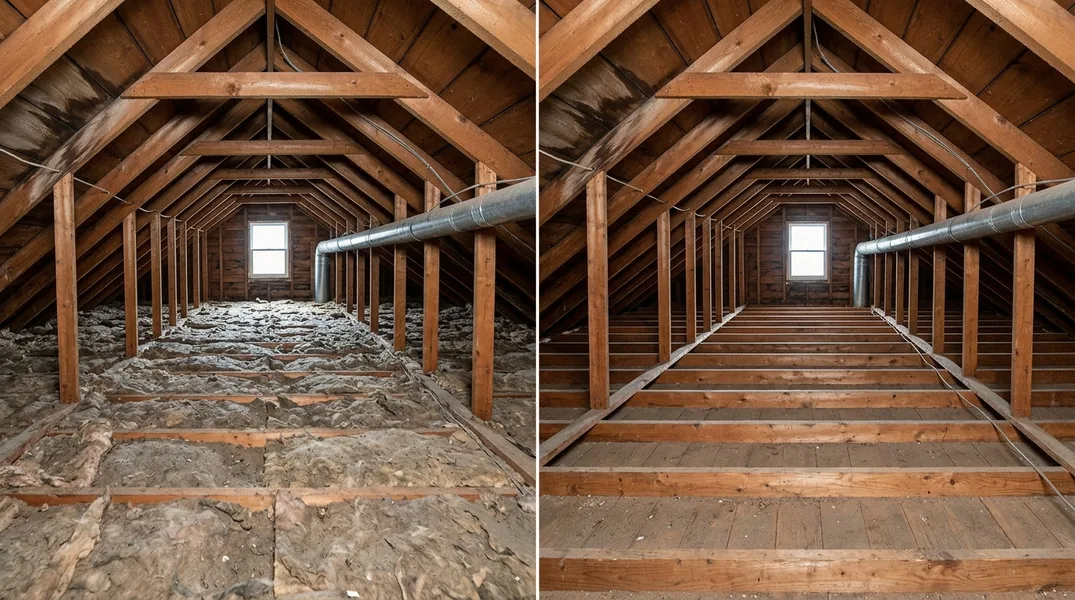
Why Permits Matter for Your Attic Spray Foam Project
Before you schedule your Attic Spray Foam Insulation installation in Utica, it's worth understanding why building permits exist and how they affect your project timeline. Permits aren't bureaucratic red tape designed to slow you down. They're a safeguard that ensures your home's insulation work meets local building codes, fire safety standards, and electrical safety requirements. When spray foam is installed incorrectly or without proper oversight, it can create fire hazards, restrict airflow in ways that damage your home's structure, or interfere with ventilation systems you didn't know were critical.
Many homeowners are surprised to learn that spray foam insulation work often requires a permit in Utica. The specific requirements depend on your local municipality and the scope of your project. A small attic retrofit might have different permitting needs than a full-home spray foam installation. That's why the conversation with your contractor should start early. A reputable company like Utica Spray Foam Insulation will proactively discuss permits with you before work begins, not after you've already signed a contract. They'll explain which permits your project needs, roughly how long the approval process takes, and whether those costs are factored into your overall budget.
What Your Contractor Should Tell You About Permits and Inspections
When you contact a spray foam insulation company for a free estimate, the conversation should naturally flow toward permitting. A professional contractor will ask you questions about your attic's current condition, whether you have existing insulation, and what your goals are for energy efficiency. From those answers, they'll determine whether a permit is required. They should then walk you through the process step by step: what paperwork needs to be filed, who files it (often the contractor on your behalf), how long approval typically takes, and what happens when the inspector arrives.
Your contractor should also explain what the inspector will be looking for during the post-installation inspection. For Closed Cell Spray Foam Insulation, inspectors verify that the foam has been applied to the correct thickness, that it hasn't been installed over electrical wiring or recessed lights without proper clearance, and that ventilation requirements haven't been compromised. For Open Cell Spray Foam Insulation, similar checks apply, though the R-value per inch differs from closed cell, which affects how much material is needed to meet code requirements. The inspector will also check that any air sealing work was done safely and that vapor barriers (if required) are properly installed.
Open Cell vs Closed Cell Spray Foam: How Permits View the Difference
One question that often comes up during the permit conversation is whether the type of foam you choose affects the permitting process. The answer is yes, but perhaps not in the way you'd expect. Both open cell spray foam and closed cell spray foam are code-compliant insulation materials when installed correctly. However, local building codes often specify minimum R-value requirements for attic insulation, and that's where the difference matters. Closed cell foam typically delivers a higher R-value per inch (around 6 to 7 per inch) compared to open cell foam (around 3.5 to 4 per inch). This means if your local code requires an R-38 attic, you might need 6 inches of closed cell foam or roughly 10 to 11 inches of open cell foam to meet that standard.
When you're discussing your project with your contractor, they'll review your local code requirements and recommend the foam type that makes the most sense for your space and budget. Your closed cell spray foam R value choice will be documented on the permit paperwork, and the inspector will verify that the installed thickness matches what was approved. This is why it's important not to make last-minute changes to your foam type without consulting your contractor. A switch from closed cell to open cell, for example, could mean additional material is needed to meet code, which might not fit in your available space or could affect your project timeline and cost.
The Inspection Process: What Happens After Your Foam is Sprayed
Once your spray foam installation is complete, the next step is scheduling the building inspection. In most cases, your contractor will coordinate this with you and the local building department. The inspector will typically visit within a few days to a week of completion. During the inspection, they'll examine the foam application, check measurements and thickness, verify that clearances around electrical fixtures are adequate, and confirm that the Utica area's specific code requirements have been met. They may also check that any required vapor barriers are in place and that ventilation systems are unobstructed.
The inspection is usually straightforward if your contractor has done the work correctly and followed code requirements. However, if the inspector identifies issues, they'll note them on the inspection report. Common issues might include foam applied too close to electrical wiring, inadequate clearance from recessed lights, or thickness that falls short of what was approved. The good news is that most issues can be corrected. Your contractor will make the necessary adjustments, and a follow-up inspection can be scheduled. This is why working with an experienced, code-conscious contractor matters. They know exactly what inspectors will be looking for and plan their work accordingly, minimizing the risk of failed inspections and costly delays.
Spray Foam R Value and Code Compliance: What Numbers Matter
Understanding spray foam R value is essential to understanding why your contractor is recommending a specific thickness and foam type. R-value measures thermal resistance, and the higher the R-value, the better the insulation performance. Building codes specify minimum R-values for different parts of your home, and attic insulation typically requires one of the highest R-values. In many areas, attics need R-38 to R-49 depending on climate zone and local regulations. Your contractor will know what your specific area requires and will factor that into their recommendation.
When you're reviewing your permit paperwork or discussing the project, you'll see the target R-value listed. This is the number the inspector will verify has been achieved. If you're choosing between foam types, remember that the R-value per inch differs significantly. Closed cell foam's superior R-value per inch makes it ideal for spaces where depth is limited, such as attics with low rafter cavities. Open cell foam, while requiring more thickness to reach the same R-value, is often more budget-friendly and still provides excellent performance when installed to the correct depth. Both are legitimate choices; the right one depends on your space, budget, and energy goals.
Getting Started: How to Have the Permit Conversation with Your Contractor
When you're ready to move forward with your attic spray foam project, the best first step is to call Utica Spray Foam Insulation at (315) 737-6731 or request a free estimate online. During your initial conversation, bring up permits directly. Ask your contractor which permits your project will need, whether they handle the permit filing process, and whether permit costs are included in the estimate or billed separately. Ask how long the permitting and inspection process typically takes so you can plan your timeline. A transparent contractor will answer all these questions clearly and provide you with a written estimate that breaks down all costs, including any permit or inspection fees.
You should also ask your contractor about their experience with local building departments and inspectors. A company that has completed many projects in the Utica area will have established relationships with inspectors and will understand the local code nuances. They can often anticipate potential issues and avoid them before the inspection happens. Finally, make sure your contractor provides you with copies of all permit paperwork and the final inspection report once it's approved. This documentation is valuable if you ever sell your home or need to file an insurance claim. Starting with clear communication about permits sets the tone for a smooth, professional project from start to finish.
Looking for a professional spray foam insulation contractor in Utica? Utica Spray Foam Insulation responds fast for all your spray foam insulation needs.
Get a Free Quote