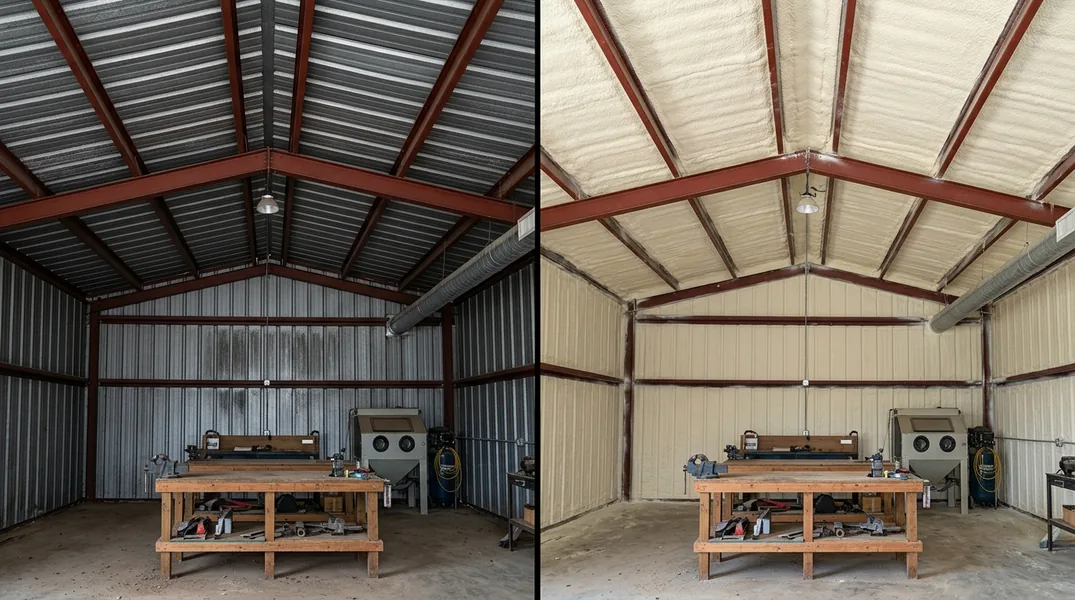
Why Utica's Victorians Need Smart Insulation Solutions
Utica is home to some of the most beautiful Victorian and early 20th-century architecture in upstate New York. These historic homes have charm, character, and craftsmanship that modern construction rarely matches. However, they also have a common problem: poor insulation. Original homes were built with minimal or no insulation, relying on thick walls and natural air circulation to manage temperature. Today's homeowners face skyrocketing heating and cooling bills while trying to maintain the integrity of original plaster walls, ornate trim, and period-appropriate details.
The challenge for Victorian homeowners is finding an insulation method that actually works without destroying the very features that make these homes special. Traditional batt insulation requires tearing into walls, removing plaster, and creating visible gaps that compromise both aesthetics and structural integrity. This is where modern insulation technology offers a solution that respects your home's history while delivering contemporary energy efficiency.
Is Spray Foam Insulation Worth It for Historic Homes?
When you're considering whether Attic Spray Foam Insulation makes sense for your Utica Victorian, the answer depends on your priorities and budget. The value proposition is strong for homeowners who want to reduce energy costs, improve comfort, and avoid invasive renovation work. Spray foam creates an airtight seal that traditional insulation simply cannot match. This means fewer drafts, more consistent indoor temperatures, and measurably lower utility bills. Many homeowners report 20 to 40 percent reductions in heating and cooling costs after installing spray foam in their attics.
Beyond energy savings, spray foam insulation adds structural value to your home. It creates a moisture barrier that protects wood framing and reduces the risk of mold growth, a serious concern in older homes with aging roof systems. For historic properties, this protective benefit is particularly valuable because replacing structural elements is far more expensive than preventing damage in the first place. The long-term durability of spray foam (typically 80+ years) also means you're making a one-time investment that will outlast most other home improvements.
Is Spray Foam Insulation Safe? Addressing Common Concerns
Safety is a legitimate concern when considering any new building material, and spray foam deserves careful attention. The good news is that modern spray foam products are significantly safer than earlier formulations, and when installed by trained professionals, they pose minimal risk to your household. The key is understanding what happens during and after installation. During application, spray foam releases isocyanate chemicals that require proper ventilation and protective equipment. This is why professional installation matters: experienced technicians follow EPA and manufacturer guidelines to ensure the application area is properly ventilated and that occupants are safely away from the work zone.
Once cured, spray foam becomes inert and chemically stable. This means it no longer releases harmful substances into your home. The curing process typically takes 24 to 48 hours, during which time your family should remain in other areas of the home or stay with friends or family. After curing, the foam poses no greater safety risk than any other insulation material. Reputable spray foam installers will provide detailed safety instructions and ensure that all work meets local building codes and EPA standards. If you have concerns about any specific product or installation method, ask your contractor for documentation and third-party safety certifications before work begins.
Understanding Spray Foam Off Gassing and Long-Term Emissions
Spray foam off gassing is perhaps the most misunderstood aspect of this technology. Off gassing refers to the release of volatile organic compounds (VOCs) during and immediately after installation. This is normal and expected, but it's also temporary. High-quality spray foam products are formulated to minimize off gassing, and the process largely completes within the first week after installation. During this period, proper ventilation is essential. You should open windows, use exhaust fans, and keep the insulated area well-ventilated. If you have respiratory sensitivities or health concerns, discuss them with your contractor before installation so they can take extra precautions.
Long-term off gassing is a different matter entirely. Once spray foam has fully cured, legitimate commercial-grade products release negligible amounts of VOCs. This has been documented through independent testing and is why spray foam is approved for use in residential homes across the United States. The confusion often arises because some low-quality or improperly installed foam can continue releasing odors for extended periods. This is why choosing an experienced, reputable contractor matters. They'll use products from established manufacturers with proven safety records and ensure proper installation techniques that minimize any off gassing concerns.
Spray Foam Insulation Pros and Cons: A Balanced Look
Like any building material, spray foam has genuine advantages and real limitations worth considering. The primary pros include superior air sealing, exceptional R-value per inch, moisture resistance, and long-term durability. Spray foam conforms to irregular spaces, fills gaps that traditional insulation misses, and creates a complete thermal envelope. For attics with complex framing, odd angles, and penetrations (common in Victorian homes), spray foam's adaptability is a major advantage. It also prevents air leakage that causes drafts and energy loss, something batt insulation cannot achieve. Additionally, Closed Cell Spray Foam Insulation provides structural reinforcement to roof decking, which can extend roof life and improve wind resistance.
The cons deserve equal consideration. Spray foam is more expensive upfront than traditional insulation, though this cost is often recovered through energy savings within 5 to 10 years. Installation requires trained professionals, so you cannot DIY this project. Some people experience temporary odors or off gassing concerns if the work isn't done properly. Spray foam is also permanent: if you need to access wiring or plumbing later, you'll have to cut through the foam carefully. For homeowners with specific health sensitivities, the installation process requires extra planning. Finally, if the foam is installed incorrectly or with poor-quality products, it can trap moisture rather than repel it, potentially causing problems. This underscores the importance of hiring experienced contractors who stand behind their work.
Spray Foam Insulation Problems: What Can Go Wrong and How to Avoid Them
Most spray foam insulation problems stem from poor installation, inadequate ventilation during application, or use of substandard materials. One common issue is over-application of foam in attics, which can trap moisture and create condensation problems. Another is failure to properly seal around penetrations like vents, flues, and electrical boxes, leaving thermal gaps that compromise performance. Improper mixing ratios during application can result in foam that doesn't cure correctly, remaining soft or tacky and providing poor insulation value. Some installers fail to account for the expansion of spray foam, which can create pressure on roof decking or wall cavities if not carefully managed.
The best way to avoid these problems is to work with a contractor who has extensive experience, carries proper licensing and insurance, and provides references from recent projects. Ask potential contractors about their training, certifications, and the specific products they use. Request a detailed written estimate that outlines the application method, product specifications, and post-installation care instructions. For historic homes in Utica, consider hiring a contractor who has experience with older properties and understands the unique challenges they present. Before committing to a project, get a free estimate from multiple contractors and compare not just price but approach, experience, and warranty coverage.
Attic Spray Foam Insulation Cost in Utica: What to Budget
Spray foam insulation pricing varies based on several factors including the size of your attic, the type of foam used, and the complexity of the installation. Open cell spray foam typically costs less per square foot than closed cell, but closed cell provides higher R-value and better moisture resistance, making it preferable for many attic applications. For a typical Utica-area home with a 1,000 to 1,200 square foot attic, you can expect to invest between $3,000 and $6,000 for professional spray foam installation. Larger attics or those with complex framing may cost more. This upfront investment typically pays for itself through energy savings within 5 to 10 years, and the insulation will continue protecting your home for decades beyond that payback period.
When evaluating pricing quotes, remember that the cheapest option isn't always the best value. Contractors who significantly undercut market rates may be using inferior materials, cutting corners on installation, or planning to rush through the job. A quality spray foam installation protects one of your largest assets and should be treated as a serious investment. Request detailed quotes that break down material costs, labor, and any additional fees. Ask about warranties on both materials and workmanship. Many reputable contractors offer performance guarantees and are willing to stand behind their work. If you're ready to explore your options, contact Utica Spray Foam Insulation at (315) 737-6731 to discuss your specific needs and receive a detailed estimate.
Looking for a professional spray foam insulation contractor in Utica? Utica Spray Foam Insulation responds fast for all your spray foam insulation needs.
Get a Free Quote